Transform Your Space: Professional Tips for Hardwood Floor Refinishing That Amazes
Refinishing hardwood floors can revolutionize a space significantly. Many homeowners overlook the warning signs that show their floors require refinishing. Common problems include scratches, dullness, or uneven surfaces. Understanding the advantages of refinishing, combined with the correct techniques and tools, is crucial for achieving stunning results. However, steering through the process can be overwhelming. What are the key steps and common pitfalls to avoid? The answers may amaze you.
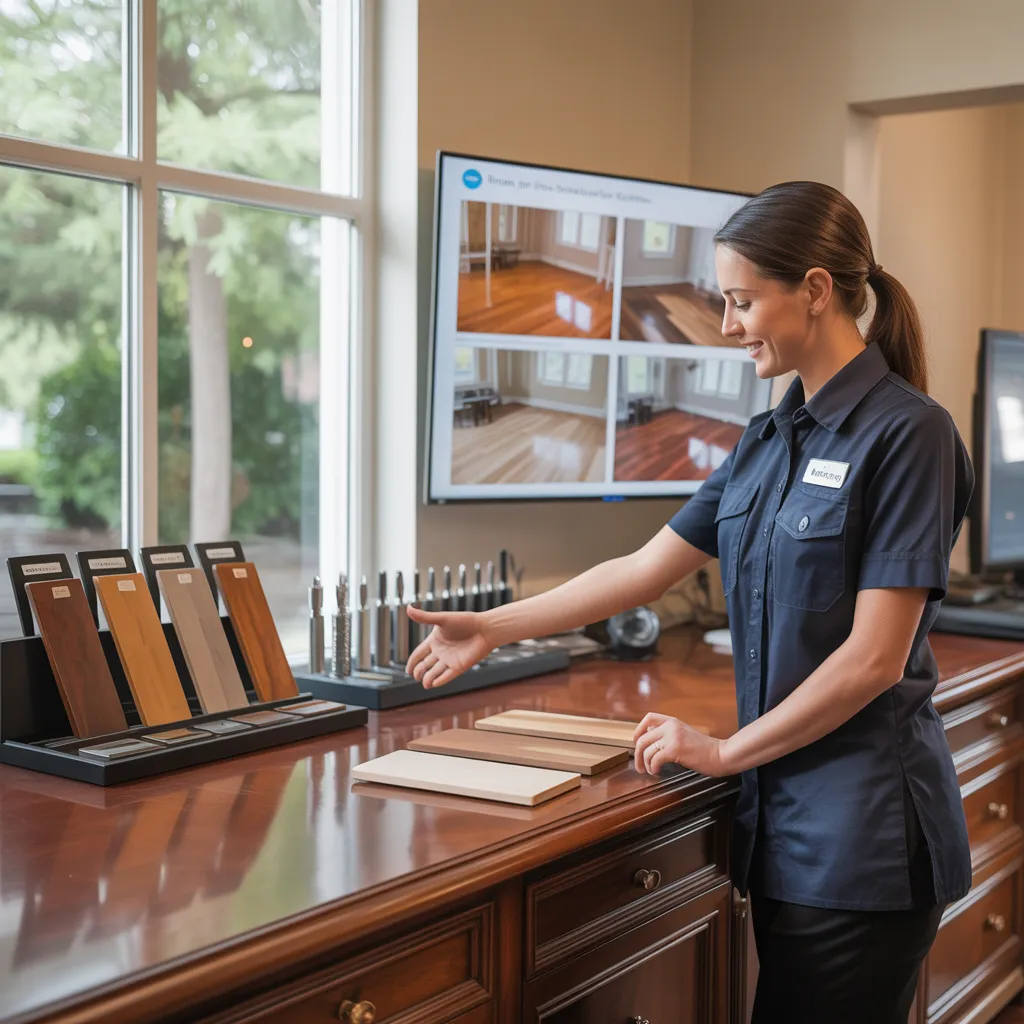
How to Tell If Your Hardwood Floors Need Refinishing?
When determining whether hardwood floors need refinishing, homeowners should watch for particular signs of wear and damage. One key indicator is the visibility of scratches, dents, or deep scuff marks that reduce the floor's appearance. Additionally, if the finish looks dull or worn, especially in high-traffic areas, it may point to the need for refinishing. Homeowners should also check for water stains or discoloration, which can suggest moisture damage. A simple test involves pouring a few drops of water on the surface; if the water beads up, the finish is still intact, but if it absorbs, refinishing is likely necessary. Moreover, if the wood has become splintered or rough to the touch, it may need attention. By analyzing these signs, homeowners can make informed decisions about whether their hardwood floors need refinishing to bring back their beauty and durability.
Benefits of Hardwood Floor Refinishing
The refinishing of hardwood floors presents various crucial benefits that can remarkably enhance a home. It not only enhances the visual attractiveness of the floors but also boosts the home's value and prolongs the wood's durability. Property owners can appreciate a renewed appearance while making a smart investment in their home.
Enhanced Visual Appeal
Hardwood floor refinishing can significantly improve the visual attractiveness of a space, as it restores the wood's original charm and shine. This process removes scratches, dents, and discoloration, unveiling the pristine, dynamic pattern beneath. A newly refinished floor can revolutionize a room, making it feel warmer and more unified. The choice of finish—whether matte, satin, or glossy—moreover lets homeowners to tailor the look to their personal style and existing decor. Additionally, refinishing provides an opportunity to modify the stain color, delivering a different viewpoint and refreshing the ambiance. Ultimately, a properly restored hardwood floor functions as a stunning focal point, elevating the overall design and atmosphere of any space.
Improved Property Value
A well-maintained home's value frequently depends on its visual appeal and practical elements, with hardwood floors holding significant importance. Refinishing hardwood floors not only enhances their beauty but also considerably contributes to a home's overall market value. Prospective purchasers often see refinished floors as a sign of care and attention to detail, making properties with recently resurfaced hardwood floors more desirable. Homes featuring these floors can command higher sale prices, as buyers are commonly ready to spend additional funds on spaces that require less immediate upkeep. Additionally, a polished hardwood floor creates an welcoming environment, drawing interest from more potential purchasers. Essentially, refinishing hardwood floors is a wise financial decision that yields returns through increased property value.
Increased Floor Life Expectancy
When homeowners prioritize the maintenance of their hardwood floors, they often find that refinishing greatly extends the lifespan of these surfaces. By eliminating surface imperfections, dents, and staining, refinishing renews the wood's original appeal and durability. This process involves sanding down the top layer, which eliminates imperfections and allows for the application of fresh finish. Therefore, the material gains improved defense against routine deterioration, humidity, and sun damage. Consistent refinishing eliminates the necessity for pricey substitutions, establishing it as an intelligent home care investment. Additionally, maintaining the floors in ideal condition contributes to a healthier indoor environment, as refinishing helps in sealing out allergens and dust. Finally, refinishing remains critical for lasting performance and strength.

Important Equipment and Items for Renovating
To successfully refinish hardwood floors, certain tools and materials are indispensable. A well-equipped toolkit can expedite the work and guarantee a superior finish. Understanding these essentials will make the refinishing project smoother and more productive.
Necessary Tools
The right tools and materials are vital for a successful hardwood floor refinishing project. A drum sander is indispensable for stripping away the old finish and smoothing the wood surface, while an edge sander allows for precise finishing along walls and corners. Sandpaper in multiple grits is necessary for achieving a smooth, even surface. A vacuum or dust collection system is essential to remove debris during the sanding process. Additionally, a buffer can help create a polished look after applying the finish. Safety gear, including goggles and masks, safeguards the user from dust and fumes. Finally, a quality applicator and brushes provide an even application of the finish, enriching the final appearance of the hardwood floors.
Required Materials
Refinishing hardwood floors requires a selection of essential materials that guarantee a successful transformation. Key components include sandpaper in assorted grits for smooth surface preparation and a reliable floor sander to efficiently remove old associated resource finishes. A dust mask and safety goggles are critical for protection during the sanding process. After sanding, a quality wood stain improves the floor's appearance, while a durable finish, such as polyurethane, provides long-lasting protection. Foam brushes and roller applicators are suggested for even application of the stain and finish. Additionally, a vacuum cleaner or broom is needed for thorough clean-up, ensuring no debris interferes with the refinishing process. These materials collectively contribute to achieving a beautifully refinished hardwood floor.
Complete Guide to Restoring Your Hardwood Flooring
Although many house owners could feel overwhelmed by the procedure, refinishing hardwood floors can be a manageable task with the right guidance. The first step involves removing all furniture and thoroughly cleaning the floor. Next, using a sander, the old finish is stripped away, ensuring an even surface. It is essential to pay attention to corners and edges, typically requiring a hand sander for precision.
After the floor is sanded, it should be cleaned and wiped to get rid of dust. The application of a stain comes next, if wanted, enabling color customization. Once the stain has dried, a finish is applied, usually in multiple coats for longevity. Homeowners should ensure proper drying time between each coat.
In conclusion, it is crucial to permit the floor to cure for multiple days before moving back furniture to avoid damage. By following these steps can help homeowners rejuvenate their hardwood floors to their original glory.
Oil-Based vs Water-Based Finishes: How to Choose?
What's the best way to choose between oil-based and water-based finishes for hardwood floors? The choice often depends on several factors, including strength, drying duration, and appearance preferences. Oil-based finishes are celebrated for their rich, warm tones and superior longevity, making them excellent for high-traffic areas. Yet, they need longer drying times and produce stronger odors during application.
In contrast, water-based finishes dry rapidly and are lower in odor, which may resonate with homeowners who prioritize a low-VOC environment. They deliver a more natural appearance, retaining the wood's original color, but may not give the same depth as oil-based alternatives.
Ultimately, the decision should align with lifestyle needs and personal style. For instance, families with pets or children might lean toward the toughness of oil-based finishes, while those seeking a faster, cleaner application might choose water-based alternatives. Weighing these considerations will lead to an informed choice.
Five Major Blunders to Stay Away From When Resurfacing Your Floor Surfaces
When handling the task of hardwood floor refinishing, homeowners often disregard crucial missteps that can lead to unsatisfactory results. One of the most common mistakes is poor preparation; failing to sand and clean the floor properly can compromise the finish's adhesion. Another frequent error is picking the wrong type of finish, which can compromise the durability and overall appearance. Additionally, many misjudge the importance of ventilation; appropriate airflow is crucial for drying and curing the finish effectively. Timing is also significant; rushing the process can cause uneven results or damage to the newly applied finish. Finally, forgetting to test the finish on a small area can result in unwelcome surprises, such as an undesired color or sheen. By avoiding these pitfalls, homeowners can ensure a successful refinishing project that improves the beauty of their floors.
Advice for Preserving Your Freshly Refinished Floors
Following the successful avoidance of common mistakes during the refinishing process, preserving the newly finished hardwood floors remains essential for preserving their beauty and longevity. Regular cleaning is essential; a soft broom or microfiber cloth can successfully remove dust and debris without marring the surface. It is advisable to use a pH-balanced cleaner specifically formulated for hardwood floors to prevent damaging the finish.
Additionally, putting doormats at entryways can help limit debris and dirt tracked onto the floors. Homeowners should refrain from using too much water while mopping, as water can penetrate seams and create warping.
Additionally, furniture pads ought to be utilized to protect against scratches from moving items. Finally, introducing a no-shoes policy can considerably reduce wear and tear. By sticking to these maintenance guidelines, property owners can appreciate their beautifully refinished hardwood floors for years to come, seeing to it that they remain a stunning feature of their home.
FAQ
How Much Time Does Hardwood Floor Refinishing Usually Take?
The process of refinishing hardwood floors generally takes between 3-5 days. The timeline includes sanding, staining, and sealing, with drying times varying based on ambient conditions and the refinishing products applied.
Is It Possible to Refinish My Floors Without Professional Assistance?
Yes, people can refinish their floors without expert assistance, given they have the necessary tools, knowledge, and patience. Nonetheless, the process necessitates meticulous preparation and precision to secure quality results.
What's the Expected Price Range for Hardwood Floor Refinishing?
Hardwood floor refinishing costs typically fall between $3 to $8 per square foot. Factors influencing this price include the state of the floors, the style of finish used, and geographical location.
What Is the Recommended Frequency for Hardwood Floor Refinishing?
Typically, hardwood floors require refinishing every 7 to 10 years, based on usage and wear. Consistent upkeep, such as cleaning and polishing, can prolong this period, keeping the floors looking vibrant and durable over time.
Is It Safe to Refinish Floors With Pets in the Home?
It's possible to safely refinish floors in homes with pets by taking necessary precautions. Ensuring pets remain distant from the refinishing zone and maintaining good airflow decreases risks related to dust and fume exposure.